爱壹帆影视[国际版] 爱壹帆影视[国际版]
游客
海报背景
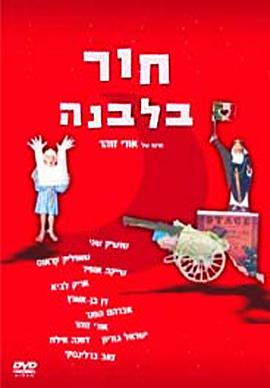
月亮上的洞海报图片

月亮上的洞

备注 :正片
导演 :Uri/Zohar/
更新 :2026-05-10 02:34:27
1964·以色列·剧情 ·1964上映·希伯来语·
立即播放
收藏
2.0
网友评分
  • 很差
  • 较差
  • 还行
  • 推荐
  • 力荐
366次评分
  • 很差
  • 较差
  • 还行
  • 推荐
  • 力荐
扫描观看

扫描一扫app播放

A comic and episodic satire, the film uses improvisation to illustrate the clash between fantasy and reality in real life. Although conceived in the style of Mekas' "Hallelujah the hills" (1962), it's an authentically Israeli satire, an openly rebellious and individualistic expression that poked fun at the sacred myths of earlier zionist films. The technique of film within the film is used to portray cinema as reflection of the imagination, a miracle based on dreams and fantasies that take on concrete characteristics - parallel to the miracle of Israel, the dream that has become reality. Although not a commercial success, its importance is beyond any measure, though it remains a unique experiment, boldly uncommercial and subversive, out of any context in that patriotic, ideological epoch.                                                                      A new immigrant, Tzelnik, arrives at the port of Jaffa. He goes to live in the Negev desert where he opens a kiosk in the middle of nowhere. Mizrachi comes along and opens a competing business across the way. The two make a living by selling to each other. As there is nothing there, they decide to create a world out of their imagination. They build a cardboard film set, which slowly takes on real dimensions- the buildings turn to concrete, people come to audition for parts in the "film" (cinema verité style, with Zohar mocking viciously the pretensions of the "actresses") and builders come to build appartment buildings (mocking the glorification of concrete and  "heroic" settlement). In one sequence, Arab actors come and ask the filmmakers turn positive to negative, and they're given the role of pioneers who plow the land and sing zionist songs. The imagined world of the filmmakers becomes so real eventually they lose sight of the thin line between fantasy and reality.                                                                      Along the way there are also many references to other films and genres: the samurai flicks of Kurosawa, westerns, the pop films by Richard lester, the meal scene from Tom Jones and many others.                                                                      The film was made by a bunch of (very talented) friends Zohar gathered, and they shot it with their own funds, as a “collective flick”, another aspect of it that sets it apart from the rest of the production in the country.
展开
没有模块

资源列表

排序

相关明星

相关影片

更多
霍去病:封狼居胥
本片为全流程AIGC打造的史诗古装历史影片,影片聚焦少年战神霍去病传奇一生,从少年从军、勇冠三军,到驰骋漠北、千里奔袭,一路横扫匈奴、破关斩将,演绎封狼居胥、禅于姑衍的千古封神壮举。少年傲气、家国情怀、沙场铁血、君臣知己、大漠豪情交织,再现大汉铁
黑煞女2
Panor 2 / 邪降:覺醒
金谍行动
Operation Debt Collectors
神医2
The Physician II
沉睡者 (2025)
The Sleeper / Uykucu Adam
防风少年
防风铃 / Wind Breaker
防风少年2025
水上恒司 , 木户大圣 , 纲启永 , 池龟树音 , 中泽元纪 , 上杉柊平 , 八木莉可子 , 山下幸辉 , 滨尾矩考 , 曾田陵介 , 萩原护 , 高桥里恩
致命撞击:青春情杀案
Follows the Mackenzie Shirilla case, a 17-year-old who intentionally crashed her car into a brick wall in Ohio, killing her boyfriend Dominic Russo and his friend Davion Flanagan. She was convicted of 12 felonies.
沉睡者 Uykucu
The Sleeper / Uykucu Adam
驾驶课
萨姆·尼沃拉 , Sophie Telegadis , 莫哈纳·克里希南 , 艾丹·拉普雷特 , 库梅尔·南贾尼 , 莫莉·香侬 , Lilah Pate , 蒂姆·巴尔茨 , Bri Giger , Marley Aliah , 艾莉莎·米兰诺 , 艾拉·斯蒂勒 , 克莱顿·法里斯 , 切尔西·林恩 , 罗伯特·沃克·布兰乔德 , Jesse Golliher , 阿贝·法雷利 , 特拉维斯·普里兹比尔斯基 , J.C. Currais , Thomas Beck
致命撞击,青春情杀案
故事围绕着麦肯齐·希里拉案展开,这位17岁的少女故意驾车撞向俄亥俄州的一堵砖墙,导致她的男友多米尼克·鲁索和他的朋友戴维恩·弗拉纳根丧生。她被判犯有12项重罪。
百万赌约
贾斯汀·康维尔,道格拉斯·史密斯,克里斯汀·古托斯基,肖恩·罗杰斯,
新少林五祖粤语
洪熙官之新少林五祖 / 洪熙官之少林五祖
执法交叉点
Manish Chaudhari,拉塞卡·杜加尔,Saurabh Dwivedi,萨基尔·侯赛因,赛义夫·阿里·汗,桑杰·米什拉
  • 片名:月亮上的洞
  • 状态:正片
  • 主演:Arik Lavie Shaike Ophir Avraham Heffner 
  • 导演:Uri Zohar 
  • 年份:1964
  • 地区:以色列
  • 类型:剧情 
  • 频道:内详
  • 上映:1964
  • 语言:希伯来语
  • 更新:2026-05-10 02:34
  • 简介:A comic and episodic satire, the film uses improvisation to illustrate the clash between fantasy and reality in real life. Although conceived in the style of Mekas' "Hallelujah the hills" (1962), it's an authentically Israeli satire, an openly rebellious and individualistic expression that poked fun at the sacred myths of earlier zionist films. The technique of film within the film is used to portray cinema as reflection of the imagination, a miracle based on dreams and fantasies that take on concrete characteristics - parallel to the miracle of Israel, the dream that has become reality. Although not a commercial success, its importance is beyond any measure, though it remains a unique experiment, boldly uncommercial and subversive, out of any context in that patriotic, ideological epoch.                                                                      A new immigrant, Tzelnik, arrives at the port of Jaffa. He goes to live in the Negev desert where he opens a kiosk in the middle of nowhere. Mizrachi comes along and opens a competing business across the way. The two make a living by selling to each other. As there is nothing there, they decide to create a world out of their imagination. They build a cardboard film set, which slowly takes on real dimensions- the buildings turn to concrete, people come to audition for parts in the "film" (cinema verité style, with Zohar mocking viciously the pretensions of the "actresses") and builders come to build appartment buildings (mocking the glorification of concrete and  "heroic" settlement). In one sequence, Arab actors come and ask the filmmakers turn positive to negative, and they're given the role of pioneers who plow the land and sing zionist songs. The imagined world of the filmmakers becomes so real eventually they lose sight of the thin line between fantasy and reality.                                                                      Along the way there are also many references to other films and genres: the samurai flicks of Kurosawa, westerns, the pop films by Richard lester, the meal scene from Tom Jones and many others.                                                                      The film was made by a bunch of (very talented) friends Zohar gathered, and they shot it with their own funds, as a “collective flick”, another aspect of it that sets it apart from the rest of the production in the country.
网站公告

hello~欢迎使用爱壹帆国际版地址:aiyif.cn。

安卓APP已更新,畅享4K极致体验

《备用1》 《备用2》 《加入群》

视频
搜索历史
删除
热门搜索
本地记录 云端记录
登录账号